Hey there, fellow pet parents!
As much as we love our furry friends, one of the most important decisions you’ll make for their long-term health and well-being is whether or not to have them neutered. It’s a topic that brings up a lot of questions, and we’re here to help you navigate it.
At [Your Website Name], we believe in providing the best for your pets—from healthy treats to the perfect toys. And part of that commitment is making sure you have all the information you need to make the best health decisions for them.
So, let’s dive into everything you need to know about neutering your dog!
What is Neutering?
First things first, let’s clarify what we mean. “Neutering” is the general term for a surgical procedure that prevents an animal from reproducing.
- For male dogs, this procedure is called castration. A veterinarian removes the dog’s testicles.
- For female dogs, the procedure is called spaying. A veterinarian removes the dog’s ovaries and uterus.
Both are routine, common surgeries that are performed by a licensed veterinarian.
Why Should I Consider Neutering My Dog?
This is the big question, and the benefits are numerous and significant for both your dog and the community.
- Health Benefits: Neutering can help your dog live a longer, healthier life.
- For Males: Castration eliminates the risk of testicular cancer and significantly reduces the risk of prostate problems later in life.
- For Females: Spaying dramatically lowers the risk of mammary (breast) cancer and completely prevents uterine infections (pyometra) and uterine tumors.
- Behavioral Improvements: Many pet owners notice positive changes in their dog’s behavior.
- Reduced Aggression: Neutered dogs are often less likely to show aggression toward other dogs.
- Less Roaming: The drive to find a mate is a powerful one. Neutering can curb your dog’s instinct to escape and roam, which reduces the risk of them getting lost or hit by a car.
- Fewer Marking Habits: Neutered males are less likely to “mark their territory” by urinating on furniture or around the house.
- Population Control: This is a crucial point, especially here in Malaysia. Spaying and neutering is the single most effective way to reduce the number of homeless and stray animals. By preventing unwanted litters, you are directly helping to solve the pet overpopulation problem.
Are There Any Drawbacks?
It’s important to be aware of the potential concerns, though many of them are manageable.
- Weight Gain: A neutered dog’s metabolism can slow down, making them more prone to weight gain. This can be easily managed with a balanced diet (look out for our upcoming blog post on feeding neutered pets!) and regular exercise.
- Coat Changes: In some breeds, a “puppy-like” coat may persist or change texture. This is purely cosmetic and doesn’t affect your dog’s health.
- Surgical Risk: As with any surgical procedure, there is a small risk associated with anesthesia. However, with modern veterinary medicine and pre-surgical screening, these risks are extremely low.
What are the Health Concerns I Should Consider?
When you talk to your vet, they’ll discuss the potential health implications for your specific dog. Some studies have shown a potential link between neutering and certain conditions like some types of cancer or joint issues in certain large breeds.
However, the overwhelming consensus among veterinarians is that the benefits of spaying and neutering—especially the prevention of reproductive cancers and infections—far outweigh these potential risks for the vast majority of dogs.
Is It Risky to Neuter My Dog?
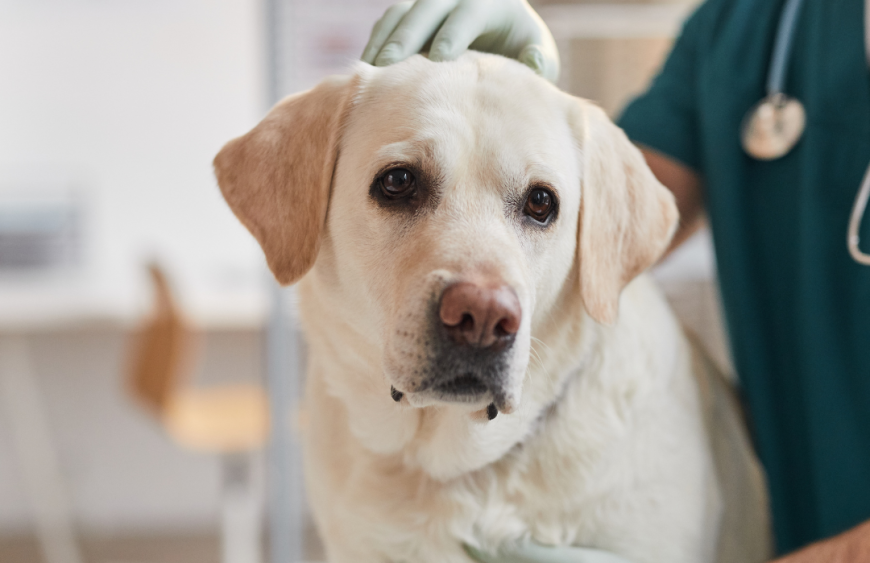
Simply put: no. It is considered a very safe, routine surgery. Your vet will perform a thorough physical exam and may recommend pre-anesthetic blood work to ensure your dog is healthy enough for the procedure. They will monitor your dog’s vitals closely throughout the surgery and recovery.
When Is the Best Time to Neuter a Dog?
This is a discussion you should have with your veterinarian. The traditional recommendation has been between four and six months of age, before the dog reaches sexual maturity.
However, recent research suggests that for some larger breeds, waiting until they are more skeletally mature (around 12-18 months) might be beneficial for joint development. Your vet will provide the best guidance based on your dog’s breed, size, and individual health.
Preparing Your Dog for Surgery
Prepping for the big day is simple.
- Follow Fasting Instructions: Your vet will tell you when to stop feeding and giving your dog water before the surgery. This is crucial to prevent complications during anesthesia.
- Get a Checkup: Make sure your dog is healthy and up-to-date on all vaccinations.
- Ask Questions: Don’t hesitate to ask your vet about the process, what to expect, and any concerns you have.
The Surgical Process and Recovery
On the day of the surgery, you’ll drop your dog off at the clinic. The vet team will:
- Administer Anesthesia: They will put your dog under general anesthesia.
- Perform the Surgery: The procedure itself is quick, usually taking less than an hour.
- Monitor Recovery: Your dog will be carefully monitored as they wake up from the anesthesia.
- Go Home: Most dogs are able to go home the same day.
The recovery period at home is the most important part!
- Restrict Activity: No running, jumping, or roughhousing. Short, leashed walks are okay.
- Pain Management: Your vet will send you home with pain medication. Be sure to follow the instructions carefully.
- Prevent Licking: Your dog must not lick or chew at the incision site. This is where an Elizabethan collar (the “cone of shame”) or a post-operative suit comes in handy.
- Check the Incision: Check the incision daily for any signs of swelling, redness, or discharge.
After the Surgery
Once your dog is fully recovered, you can go back to your normal routine! You can now rest easy knowing you’ve made a responsible decision for their health and happiness.
If you’re looking for fun ways to keep your dog mentally stimulated during their recovery (and beyond!), check out our fantastic range of puzzle toys and healthy treats in this month’s Paow Box Edition. We’ve got everything you need to keep their tail wagging! Got more questions? Feel free to leave a comment below or send us a message! We’re always here to help you and your best friend thrive.